
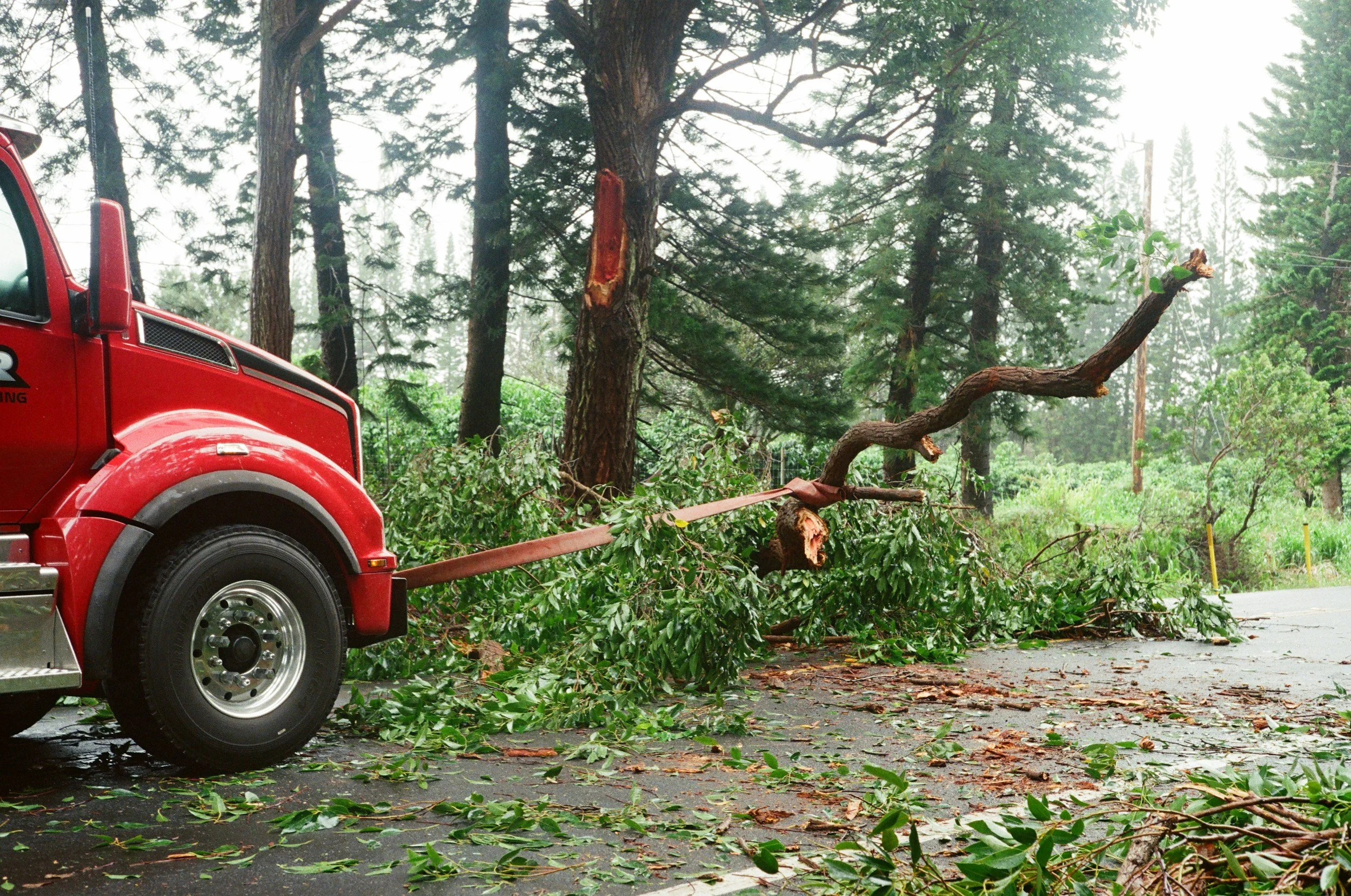
Strengthening Disaster Response and Public Trust Through Integrated Government Communication
Strengthening Disaster Response and Public Trust Through Integrated Government Communication
Government disaster response involves coordinating relief and recovery efforts while also shaping public understanding of a crisis before, during, and after an event. Facing fear and uncertainty, the public looks to leaders for reassurance, clear direction, regular communication, and tangible support.
Through strategic communication, leaders at the Federal, state, local, tribal, and territorial levels can deliver timely, clear messages that build trust and enhance the effectiveness of response efforts. To achieve this, agencies should adopt an integrated communication approach that promotes coordinated and consistent messaging across all levels of Government. This collaboration improves operational efficiency, reduces confusion, and strengthens public confidence during a crisis.
A major barrier to effective communication is the widespread misunderstanding of agency roles. Many assume the Federal Emergency Management Agency (FEMA) leads every disaster response when, in fact, FEMA's role is primarily supportive, coordinating resources, providing expertise, and assisting state, local, tribal, and territorial partners when requested.
Misplaced expectations often lead to frustration when Federal leadership is not immediately visible, while local and state agencies direct response operations. Correcting this misconception through public education is not just a matter of awareness; it is a matter of public safety.
During disasters, lives depend on clear and effective communication among emergency responders and public officials. When agencies share consistent information with one another and with survivors, coordination improves and communities gain access to accurate, actionable guidance. Without an integrated communications plan, conflicting messages, such as one agency issuing warnings while another downplays risk, can leave residents uncertain about whom to trust or what actions to take.
A well-known example of communication failure occurred during Hurricane Katrina in 2005. Leading up to the storm, communication among local, state, and Federal agencies broke down in several ways. Agencies operated with differing assessments of the risks and potential impacts. The National Weather Service issued warnings about catastrophic flooding, while some local officials underestimated the potential severity of the storm, contributing to public confusion. These communication gaps contributed to coordination challenges during and after the disaster. Miscommunication among Federal, state, and local authorities regarding levee breaches, supply distribution, and rescue operations slowed emergency response efforts and increased public anxiety. As a result of these communication failures and broader response challenges, many residents did not evacuate in time, and critical assistance and resources were delayed for those in need.
Ultimately, integrated communication is about more than operational efficiency and effective response. It is about public confidence and trust in Government. When communities understand how disaster response works and receive clear, consistent messages from emergency management officials at all levels of Government, they are more likely to take appropriate action, remain safe, and trust the process. Effective communication helps save lives, supports informed decision-making, and promotes recovery.