Designing Workplaces to Strengthen Government Innovation
Cybersecurity analysts working in windowless operations centers face long days of high-focus work under sustained pressure across agencies delivering on the homeland security mission. Targeted workplace improvements can strengthen their capability to succeed in completing their mission.
Stress limits creative thinking. Under constant strain, teams default to familiar answers instead of innovative problem-solving. Government leaders can change this mindset by reshaping the physical space where the work happens.
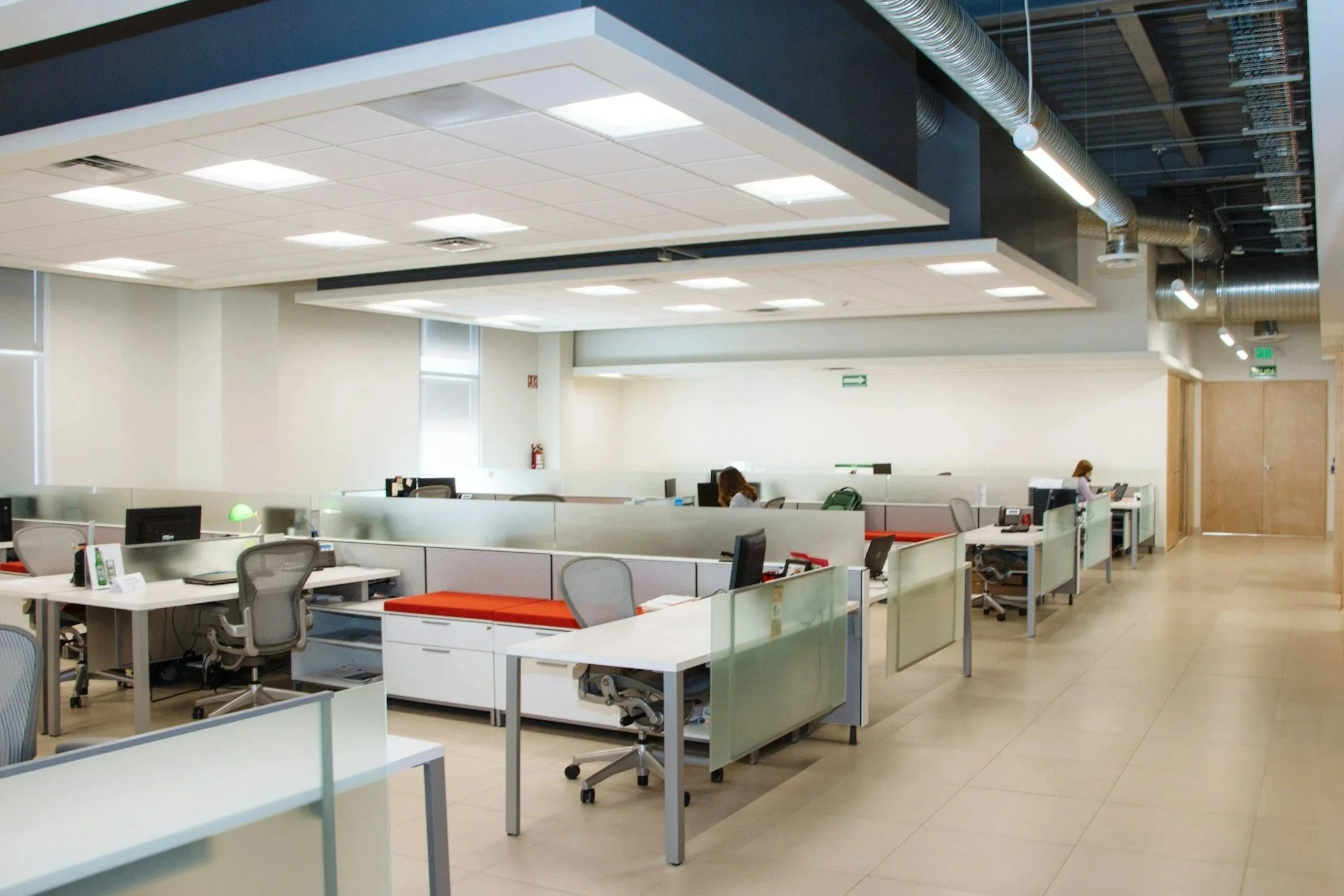
Three practical adjustments work well in high-security or windowless environments: minimizing distracting noises, increasing natural light, and adding natural elements. Sound masking devices reduce distractions, helping sustain attention and lower physiological stress. Enhancing natural light, or using daylight-mimicking systems, improves alertness during long and complex tasks. Plants, views of nature, or even images of nature decrease mental fatigue and encourage teams to generate creative ideas.
Most of these changes are simple and low-cost. Start by measuring current noise levels, and lighting, then make targeted upgrades: portable noise machines, daylight-mimicking bulbs, clearing window obstructions such as oversized furniture, and adding plants or nature imagery.
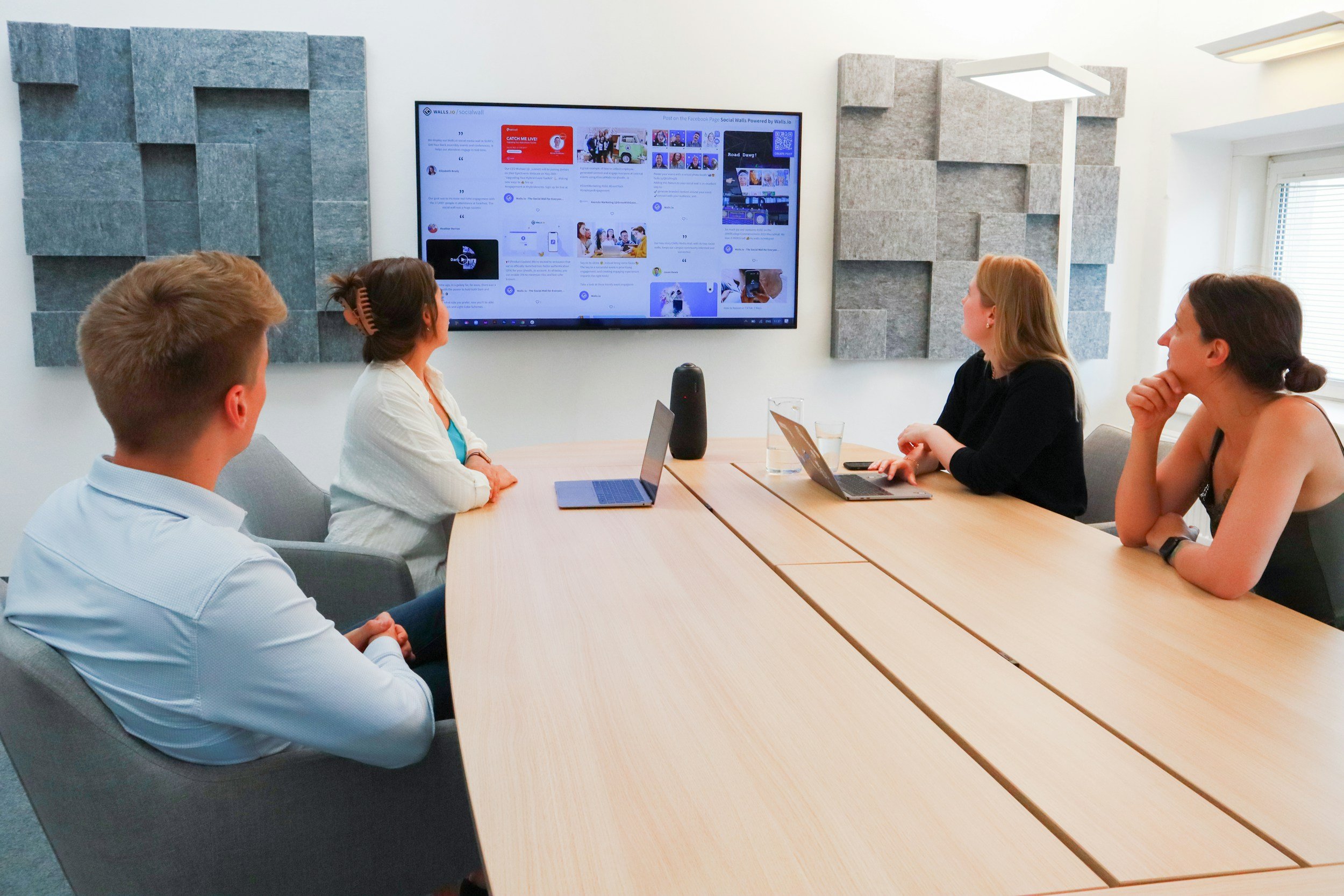
For the most impactful improvements, talk to the team directly. A short listening session will surface specific issues like constant HVAC hum or burned-out overhead lights. Create a list with associated cost estimates, separate quick wins from longer-term upgrades, and transform the workspace into a calmer, more supportive environment.
The General Services Administration (GSA) measured the effect that the work environment has on workers in a study at five Federal buildings. Workers who received enough daylight during the workday had better-regulated circadian rhythms and were in better moods. A separate GSA study found that LED lighting produced similar gains in alertness throughout the workday. GSA found that high-security mission spaces often limit daylight access, which makes supplemental lighting and other workspace upgrades especially important in those environments.
Over time, these small adjustments will influence how teams think, collaborate, and perform under pressure, strengthening mission results.